
Watch Your Step? No, Watch Their Negligence.
Property owners have a legal duty to keep their premises safe for customers and guests. If you were injured because a business ignored a spill, a broken step, or a hazard, it wasn't just "bad luck"—it was a violation of the law.
Actor Portrayal
It’s Not Clumsiness, It’s Liability.
Insurance companies love to blame the victim. They will tell you that you should have been more careful, or that you were looking at your phone. They rely on you feeling embarrassed so you don’t file a claim.
At Saffold Law, we know the truth: Slip and fall cases are about accountability. Under Texas “Premises Liability” law, if a property owner knew (or should have known) about a dangerous condition and failed to fix it or warn you, they are liable for your medical bills and suffering.
The "Constructive Notice" Battle
The hardest part of a slip and fall case is proving the owner knew about the danger.
We fight to prove Constructive Notice.
Even if the manager says “I didn’t know the floor was wet,” we use evidence to prove the spill was there long enough that they should have discovered it if they were doing their job properly.
Common Hazards We Litigate
1. Wet & Slick Floors
The classic case. Grocery stores and restaurants failing to put out “Wet Floor” signs after mopping or ignoring a spill in an aisle for hours.
2. Uneven Surfaces & Potholes
Trip hazards in parking lots, cracked sidewalks, or torn carpets that catch your foot. Property owners are responsible for maintaining safe walking paths.
3. Dangerous Stairs & Railings
Missing handrails, rotting wood, or steps that are not built to code. These falls often result in catastrophic spinal or head injuries.
4. Inadequate Lighting
If you fell because a parking garage or stairwell was pitch black due to burnt-out bulbs the owner refused to change, that is negligence.
The Defense Trap: "Open and Obvious"
Defense lawyers will almost always argue the “Open and Obvious” defense—claiming the danger was so clear anyone could have seen it.
We fight back. We use expert testimony to show that the hazard was camouflaged, that your view was obstructed, or that the store directed your attention elsewhere (like at a display shelf) so you wouldn’t look down.
What We Fight For (Your Compensation)
Falls can cause life-altering injuries like hip fractures, torn ligaments (ACL/MCL), and Traumatic Brain Injuries (TBI). We recover:
- Medical Costs: Past and future surgeries and rehabilitation.
- Lost Income: Wages lost while you were recovering.
- Pain & Suffering: Compensation for the physical agony and loss of mobility.
- Incidental Costs: Expenses for crutches, ramps, or home modifications needed for your recovery.
How We Build Your Strategy
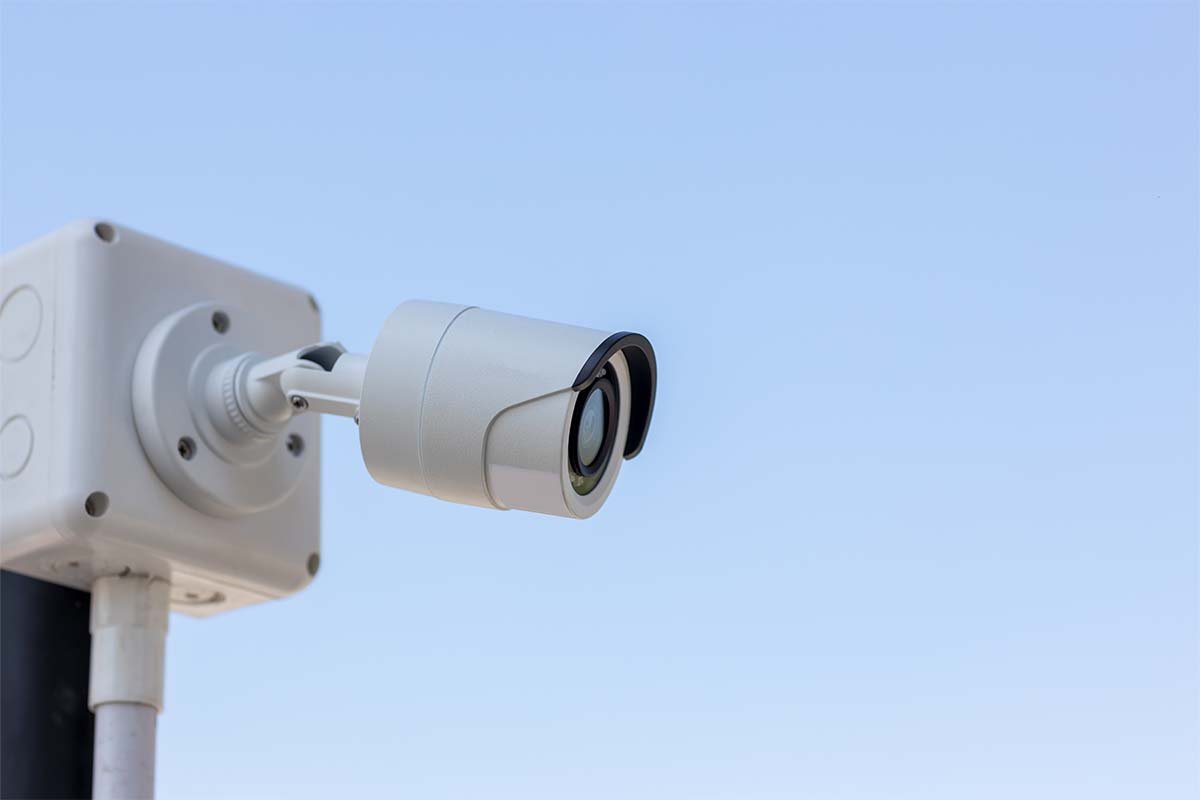
1. The Spoliation Letter (Video Preservation)
Stores delete surveillance footage quickly—sometimes in 48 hours. We send an immediate legal demand to preserve the video, which often proves the spill was there for a long time.
Actor Portrayal
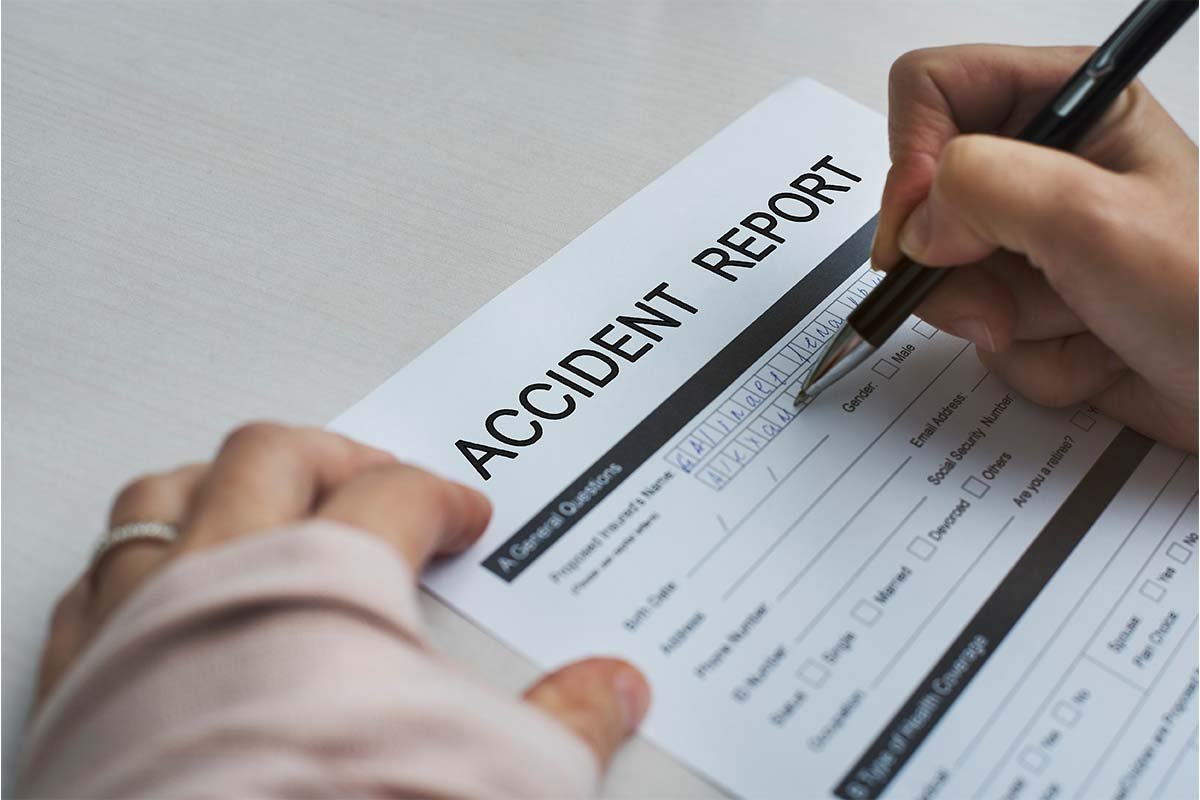
2. The Incident Report
We force the business to hand over their internal incident logs. Often, we find that other people fell in the exact same spot before you did, proving the owner knew it was a problem.
Actor Portrayal
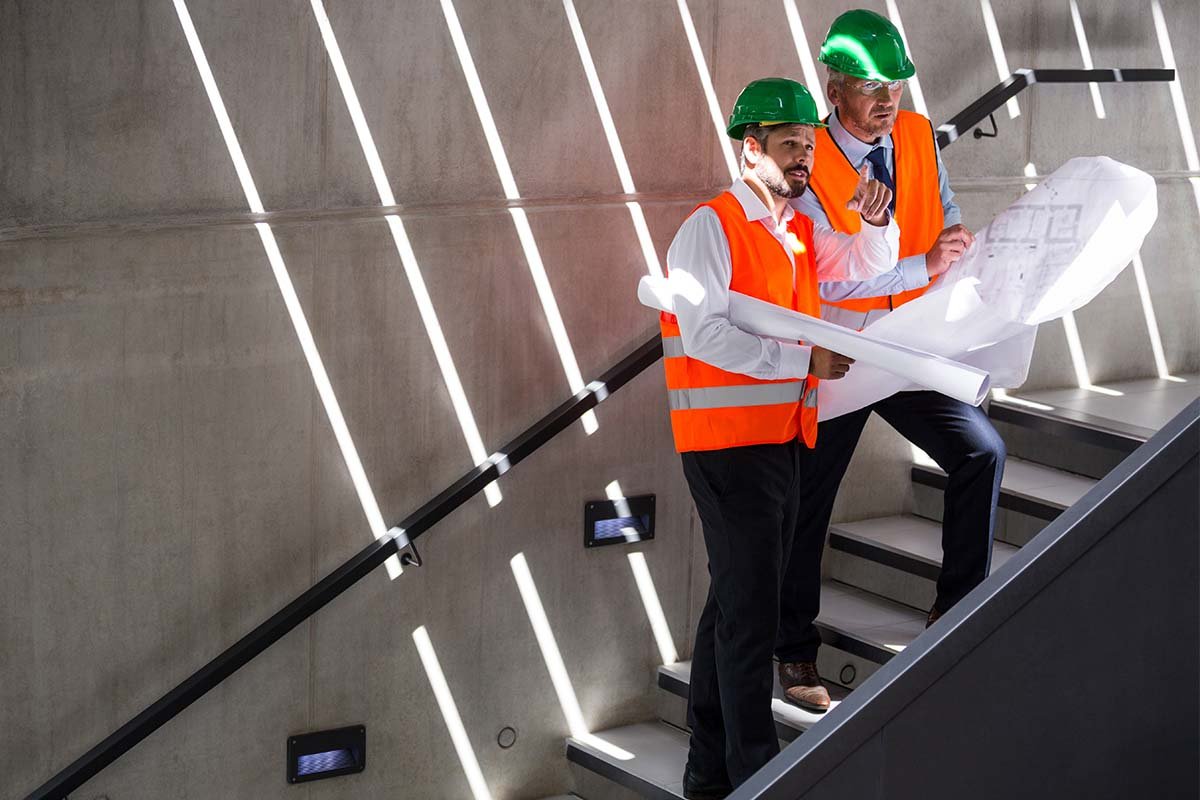
3. The Expert Witness
We hire safety engineers to measure the “coefficient of friction” of the floor or check the building codes on the stairs to prove the property was legally unsafe.
Don't Let Them Erase the Evidence.
If you fell, take photos immediately and call us. We need to secure the evidence before it gets “cleaned up.” Contact Saffold Law today.
Actor Portrayal